

What a Property Performance Review Should Examine—and Why It Matters
A practical review can reveal why a property is underperforming—and where focused changes can produce measurable results.
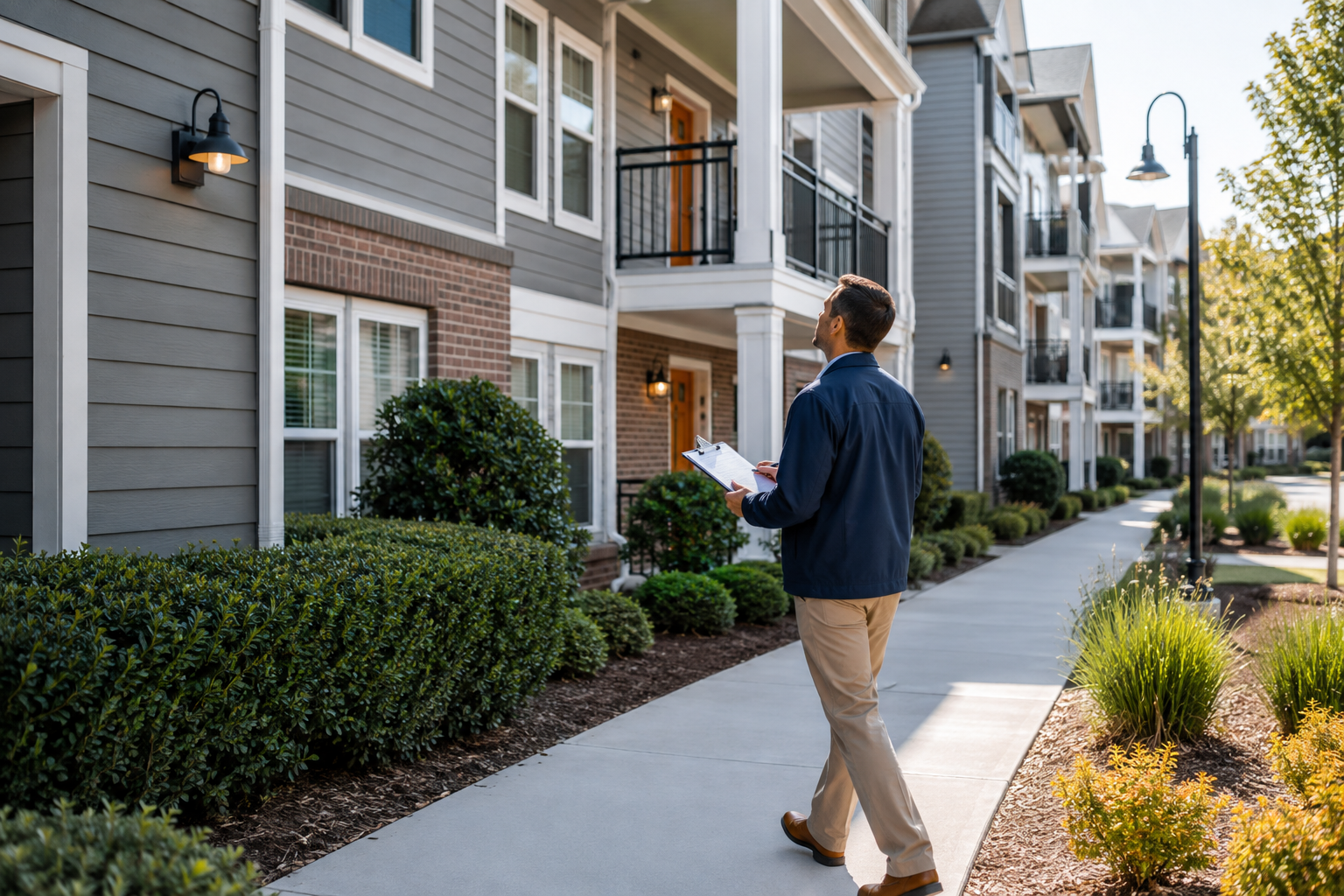
A property can appear stable on the surface while vacancies, maintenance delays, inconsistent collections, rising expenses, or weak operating procedures gradually reduce its performance. These problems are not always caused by one major failure. More often, they develop through several smaller issues that have not been identified or addressed.
A property performance review provides owners, boards, and housing operators with a clearer picture of what is working, what is underperforming, and where practical improvements may produce better results.
Occupancy and Leasing Performance
Occupancy is one of the clearest indicators of property performance, but the vacancy number alone does not tell the whole story.
A useful review should examine:
- • Current physical and economic occupancy
• Length of time each available unit has been vacant
• Leasing traffic and conversion rates
• Application approval and cancellation patterns
• Unit readiness and turnover time
• Rental pricing compared with competing properties
• Marketing quality and follow-up procedures
If prospective residents are showing interest but not completing applications or signing leases, the problem may involve pricing, presentation, response time, qualification procedures, or the overall leasing experience.
Rent Collections and Delinquency
Strong occupancy does not automatically mean strong financial performance. A property may be highly occupied while still experiencing inconsistent collections or growing delinquency.
The review should consider:
- • Current and recurring delinquency
• Payment-plan effectiveness
• Late-fee and collection procedures
• Communication with residents
• Documentation and follow-up consistency
• Legal or eviction cases requiring attention
The goal is not simply to collect past-due balances. It is to establish a consistent process that protects cash flow while treating residents professionally and fairly.
Maintenance and Property Condition
Maintenance performance directly affects resident satisfaction, renewals, safety, operating costs, and long-term property value.
A performance review should evaluate:
- • Open and aging work orders
• Emergency response procedures
• Preventive-maintenance schedules
• Unit turnover quality and timing
• Vendor performance and pricing
• Recurring property-condition problems
• Communication between management and maintenance teams
Repeated repairs, delayed work orders, or poorly coordinated turnovers can increase expenses and extend vacancies. Identifying the cause is often more valuable than repeatedly treating the same symptom.
Operating Expenses and Budget Performance
Expenses should be reviewed in context rather than judged only by whether they increased or decreased.
Important areas include:
- • Actual expenses compared with budget
• Significant monthly or year-to-date variances
• Utility consumption and unusual increases
• Maintenance materials and vendor costs
• Overtime and staffing expenses
• Recurring emergency repairs
• Opportunities to improve purchasing or vendor agreements
The purpose is not to reduce every expense. Some investments improve safety, resident satisfaction, efficiency, and property value. The objective is to determine whether money is being spent deliberately and effectively.
Resident Communication and Retention
Residents are more likely to renew when they receive responsive service, clear information, and consistent treatment.
A review should examine:
- • Response times for resident questions and concerns
• Maintenance-request communication
• Complaint documentation and follow-up
• Renewal notices and retention efforts
• Community updates and policy communication
• Patterns in resident feedback
Communication problems can quickly become operational problems. Clear and respectful communication builds trust and often prevents smaller concerns from escalating.
Compliance and Documentation
Incomplete or inconsistent records create unnecessary risk, especially in affordable housing, senior communities, HOA and condominium operations, and regulated properties.
The review should consider:
- • Lease and resident-file organization
• Required notices and documentation
• Fair-housing procedures
• Inspection preparation and follow-up
• Affordable-housing or LIHTC requirements, when applicable
• Vendor insurance and contract records
• Consistency in applying property policies
Strong documentation supports daily operations while protecting residents, property owners, boards, and management teams.
Management Systems and Accountability
Even experienced teams struggle when responsibilities are unclear or procedures are inconsistent.
A property performance review should identify:
- • Who is responsible for each major operational function
• Whether recurring tasks have written procedures
• How staff members communicate and share information
• Which reports are reviewed and how often
• Whether identified problems receive documented follow-up
• Where technology or better workflows could reduce delays
The objective is not to add unnecessary paperwork. It is to create practical systems that make performance easier to monitor and improve.
Turning the Review Into an Action Plan
A successful review should lead to prioritized action—not simply a list of problems.
The final plan should separate:
- • Immediate safety, compliance, or financial concerns
• Short-term operational improvements
• Longer-term property and capital priorities
• Responsible parties and target completion dates
• Performance measures used to track progress
When owners and operators understand where performance is being lost, they can make better decisions about leasing, maintenance, staffing, expenses, and resident service.
HomeBase Realty Resource provides practical, experience-based guidance for property owners, HOA and condominium boards, senior communities, affordable-housing operators, and small to mid-sized portfolios.
If your property is experiencing vacancies, rising expenses, operational challenges, or inconsistent results, an independent review can help identify the next steps.
Request a Property Performance Review to discuss your property’s current performance and improvement opportunities.
Ready to Improve Your Property or Community?
Tell us about your property, community, or operational challenge and receive practical guidance on the next steps.